
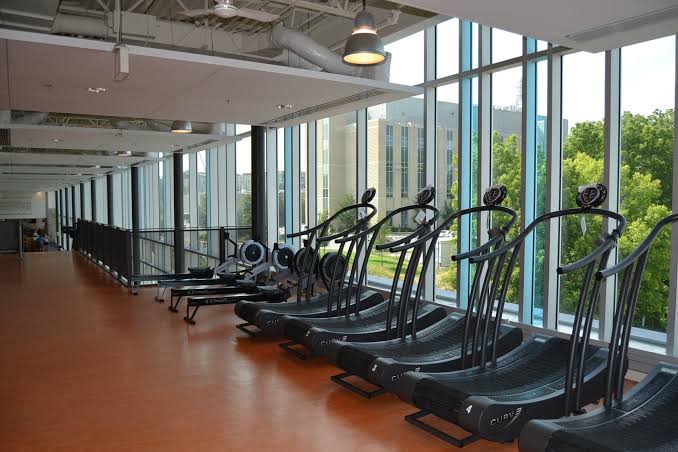
What a gym fit out shipment includes
A commercial gym fit out is a bundled import: cardio machines, strength stations, free weights, flooring, and often mirrors or rigs, all sourced from multiple Chinese suppliers. The shipping plan must consolidate these into one coordinated delivery so the opening date holds. Most operators start at the fitness shipping pillar and then model the cost and the schedule together as one project.
Cost composition of a gym fit out
The landed cost is more than the ocean rate. It includes factory collection, consolidation and crating, ocean freight, US customs duty, delivery to the site, and any liftgate or inside placement fees. The shipping costs hub lists the line items that move a quote. Treat any range as an estimate, subject to confirmation by quote, because weights and access vary by project and by season.
Typical cost components
The table below maps where the money goes. Figures are illustrative ranges, not a quote, and depend on equipment volume and destination access.
| Cost component | What it covers | Planning note |
|---|---|---|
| Collection and consolidation | Pickup from suppliers, Guangzhou or Shenzhen warehouse | Multi supplier orders save here |
| Crating and packing | Custom crates, palletizing to spec | Heavy items cost more to brace |
| Ocean freight | LCL or FCL to the US port | Estimate, subject to quote |
| Duty and customs | HTS based duty, ISF, clearance | Varies by equipment type |
| Site delivery | Inland freight, liftgate, placement | Stairs and distance add cost |
Insurance is worth adding for a high value fit out, because a single damaged rig can exceed the savings of skipping cover. Declare the total equipment value and photograph the crated units before departure so any claim is straightforward and fast to settle with the insurer after arrival.
Backward schedule planning
Plan from the opening date backward. Count the days for production, origin consolidation, ocean transit, customs, and final delivery, then add buffer for peak season and port delays. The commercial gym fit out guide details the step by step process, while the schedule below keeps the timeline visible for the whole team.
Backward timeline example
| Step | Typical lead time | Action |
|---|---|---|
| Equipment production | Several weeks | Confirm specs and deposit |
| Consolidation and crating | One to two weeks | Gather all suppliers |
| Ocean transit | Estimate, by route | Book FCL or LCL |
| Customs and delivery | One to three weeks | Book site appointment |
| Install and open | Buffer week | Allow setup slippage |

Container and freight options
A full fit out usually fills an FCL, while a phased opening may use LCL top ups. The LCL vs FCL gym guide compares the break even. Heavy racks and rigs may need careful lashing, and our treadmill and strength packing guide shows how to crate the heavy pieces so they arrive ready to install on site.
Customs and delivery to the site
Every machine needs the right HTS code, ISF filing, and a delivery plan that reaches the gym floor, not just the dock. US import entry is governed by US Customs and Border Protection, so align the paperwork before the vessel sails. Coordinate liftgate and inside placement with the carrier before arrival. For replenishment rather than a one time fit out, the FBA inbound guide covers ongoing stock, and the fitness shipping guide covers the general route.
Frequently asked questions
What is included in a gym fit out shipping cost?
The landed cost includes factory collection, consolidation and crating, ocean freight, US customs duty, and site delivery with any liftgate or placement fees. The shipping costs hub lists each line item. Treat any figure as an estimate, subject to confirmation by quote, because weights and site access vary by project.
How do I plan a gym fit out timeline backward?
Start from the opening date and subtract production, consolidation, ocean transit, customs, and delivery, then add buffer for peak season. The commercial gym fit out guide details the process. Build in a spare week for installation slippage so a delayed vessel does not push back the launch.
Should a gym fit out ship by LCL or FCL?
A full fit out usually fills an FCL container, while a phased opening may use LCL top ups. The LCL versus FCL gym guide compares the break even by volume. Heavy racks and rigs need careful lashing, and the treadmill and strength packing guide shows how to crate the heavy pieces.
What delivery fees apply for gym equipment to a site?
Beyond inland freight, expect possible liftgate, inside delivery, and stair or distance charges if the gym is not at dock level. Confirm access details before booking so the carrier sends the right equipment. These fees vary by location and are part of the landed cost estimate.
Do I need special packing for heavy gym rigs?
Yes, heavy racks, rigs, and cardio units need custom crating and rated lashing so they do not shift in transit. The treadmill and strength packing guide covers carton and crate builds that survive the ocean and the warehouse. Good packing also speeds unloading at the site.
How is customs handled for a full gym import?
Each machine needs the correct HTS code, ISF filing before departure, and a delivery plan to the floor. Duty varies by equipment type. Coordinate liftgate and placement with the carrier ahead of arrival. For ongoing replenishment rather than a fit out, the FBA inbound guide covers repeated stock shipments.