Single units and bulk gym equipment
LCL can suit smaller orders, while FCL may suit a full gym fit-out or bulk commercial shipment. Compare packed volume, total weight and non-stackable space rather than the unit count alone.
 Chat on WhatsApp
Ocean freight planning for treadmills, training racks, weight machines and commercial gym equipment, from China consolidation to US warehouse, store or gym delivery.
LCL can suit smaller orders, while FCL may suit a full gym fit-out or bulk commercial shipment. Compare packed volume, total weight and non-stackable space rather than the unit count alone.
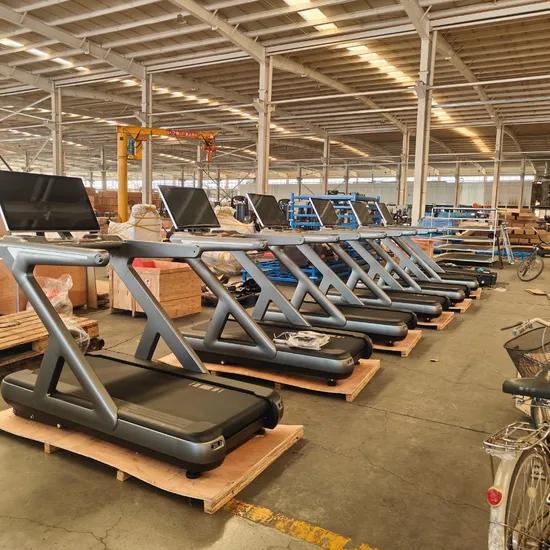
Secure moving components and protect displays, handles and painted surfaces. Heavy bases need suitable pallets or crates with accessible fork pockets. Identify each unit on the packing list so multi-unit shipments can be checked at receiving.
Combine equipment from different suppliers into a coordinated ocean shipment. Provide supplier details, expected warehouse arrivals and product packing lists to plan receiving and consolidation.
Confirm receiving hours, doorway clearance, dock access and unloading equipment. If delivery includes indoor movement or installation, describe that scope before quotation. A truck delivery appointment alone does not include equipment assembly.
Send the number of units, packed dimensions and weight per unit, photos and the US ZIP code. Include the venue’s unloading facilities and requested shipping date.
Less-than-container-load (LCL) suits smaller orders, mixed SKUs and trial shipments of treadmills, benches, racks and accessories. It is charged by volume and weight with minimum charges and handling fees, and keeps your spend tied to the space used. Full-container-load (FCL) suits bulk orders, full gym fit-outs and stable reorder volumes, giving dedicated space and a lower per-unit cost at volume.
When comparing, use the packed volume, total weight and non-stackable space rather than the unit count alone. Heavy machines that cannot be stacked change both the LCL charge and the FCL load plan.
| Factor | LCL | FCL |
|---|---|---|
| Order size | 1-10 CBM, mixed SKUs | Bulk orders, full gyms |
| Charge basis | Volume and weight | Container and service |
| Per-unit cost | Higher at volume | Lower at volume |
| Handling | Shared, more touches | Dedicated space |
| West Coast transit | 12-16 days direct | 12-16 days direct |
| East Coast transit | 25-30 days direct | 25-30 days direct |
Treadmills, elliptical trainers, exercise bikes, training racks, benches, weight machines, dumbbell sets, yoga and mat products, and full commercial gym equipment can all move by ocean freight. Home equipment usually ships in cartons or on pallets; commercial machines need crates or sturdy pallets with accessible fork pockets.
Secure moving components and protect displays, handles and painted surfaces. Identify each unit on the packing list so multi-unit shipments can be checked at receiving.
Direct sailings from China to the US West Coast take about 12-16 days, and to the East Coast about 25-30 days, excluding origin handling, customs clearance and final delivery. Peak season adds 5-7 days. Plan the shipment around your sale date or gym opening date with the extra margin for warehouse receiving, consolidation and the US delivery leg.
Load heavy machines at the bottom of the container and lighter accessories on top to avoid pressure damage. Group the same model and SKU together, distribute weight evenly across the floor and leave no empty voids that allow shifting. Confirm the load plan before the container is sealed.
Heavy bases need suitable pallets or crates with accessible fork pockets, and the gross weight should be checked against the container and trucking limits at the destination.
Confirm receiving hours, doorway clearance, dock access and unloading equipment for each delivery location. A truck delivery appointment alone does not include equipment assembly, so describe any indoor movement or installation scope before quotation.
For gym fit-outs, plan the unloading around the opening schedule: multiple machines arriving on one truck need sufficient receiving staff and space on the day of delivery.
Sellers shipping fitness equipment to Amazon FBA often use ocean DDP, where the forwarder manages import clearance, pays duties and arranges delivery to the FBA receiving warehouse. Mixed-SKU replenishment below container volume suits LCL ocean DDP, while stable reorder volumes of benches, racks and mats suit FCL. FBA warehouses require booked appointments and specific receiving windows, so include appointment planning in the freight scope.
LCL suits smaller and mixed-SKU shipments; FCL suits bulk orders and full gym fit-outs with a lower per-unit cost at volume.
Direct ocean transit is about 12-16 days to the US West Coast and 25-30 days to the East Coast, excluding clearance and final delivery.
Yes. Confirm receiving hours, doorway clearance, dock access and unloading equipment; a delivery appointment does not include assembly.
Home machines ship in cartons; commercial machines are grouped on pallets or packed in crates, with fork pockets and protective padding.
Yes. Ocean DDP handles freight, customs, duties and FBA warehouse delivery; confirm the receiving appointment and dock conditions when booking.
Start with a quote and container plan: the number of units, packed dimensions and weight per unit, photos and the US ZIP code. Compare LCL for smaller orders and FCL for bulk orders and full gym fit-outs.
Equipment is then received and packed at the Guangzhou or Shenzhen warehouse: consolidation, pallets or crates, and load planning by SKU with weight distribution across the container floor.
The export leg covers export documents, the ocean booking and shipment updates. The US leg covers import documents, customs clearance, trucking and delivery appointments at the warehouse, store or gym, including unloading equipment planning.
Work backwards from the opening or launch date. Allow time for supplier production, warehouse receiving and consolidation, the ocean leg (12-16 days to the West Coast, 25-30 days to the East Coast), customs clearance and the final trucking appointment.
Book the container space and the delivery appointment early, because gym delivery windows fill up in peak season. Confirm the receiving hours, dock access and unloading equipment with the venue before the vessel arrives.
Typical problems are unprotected displays and handles, missing fork pockets on heavy bases, inconsistent SKU lists between invoice and packing list, and void space inside the container that allows shifting.
Identify each unit on the packing list, protect screens and painted surfaces, and load heavy machines at the bottom with even weight distribution. A clear load plan protects both the cargo and the delivery schedule.
The route covers home and commercial fitness equipment: treadmills, elliptical trainers, exercise bikes, rowing machines, training racks, benches, weight machines, dumbbell sets and accessories. Home equipment usually ships in cartons or on pallets; commercial machines need crates or sturdy pallets with fork pockets and protective padding.
For mixed orders, identify each unit on the packing list so the receiving team can check multi-unit shipments against the invoice. Grouping the same model together in the load plan also speeds up warehouse receiving at the destination.
A fitness equipment quote combines origin handling, ocean freight and US destination services. On the origin side, supplier pickup, warehouse receiving, consolidation, repacking and crating are priced by the services you need. On the ocean side, LCL is charged by volume and weight while FCL is charged per container and service.
The destination side can include port handling, customs clearance, duties, container pickup, trucking and unloading appointments. Residential or gym deliveries with liftgate, indoor movement or installation add to the quote, so compare rates with the same dimensions and delivery scope.
Request a fitness equipment quote with your SKU list, dimensions and US ZIP code, or compare container options, review freight costs and plan US delivery.
Share packed dimensions, gross weight, quantities and a US ZIP code to compare LCL, FCL and special containers.