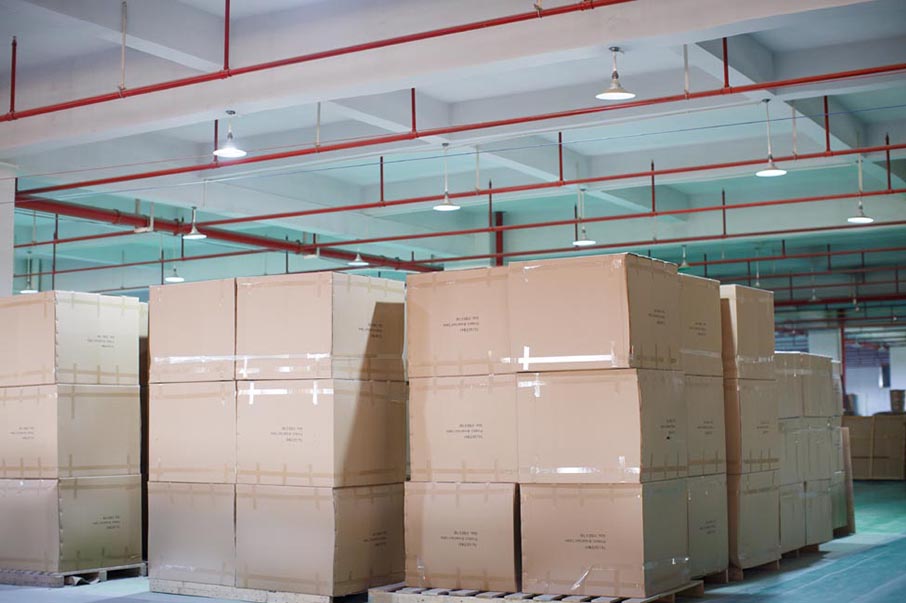
Ship furniture from China to the USA for a household move, a new home or a commercial order. Compare shared-container LCL and dedicated-container FCL shipping, with receiving in Guangzhou or Shenzhen.
Furniture sea freight for household and commercial orders
Sofas, dining tables, bed frames, cabinets and packed household belongings have different space and handling needs. New furniture purchases and used personal effects need separate inventories and documentation. Tell us whether your shipment is a commercial order or an international move.
LCL or FCL for furniture shipping?
LCL lets a smaller shipment share container space. FCL provides a dedicated container for larger furniture orders or whole-home moves. Compare packed volume, gross weight, stackability and destination charges together. Furniture that cannot be stacked may occupy more chargeable space.
Consolidate furniture from several suppliers
Send supplier orders to the Guangzhou or Shenzhen receiving warehouse for consolidation. Grouping purchases into one shipment can reduce separate handling and simplify delivery. Share supplier locations, expected arrival dates and packing dimensions before arranging dispatch.
Packing and residential delivery
Protect upholstery, corners, glass and moving parts; compare dismantled and assembled packing sizes. For US delivery, provide the ZIP code, floor, elevator and access conditions. Curbside delivery, liftgate service, indoor moving and assembly should be selected separately.
What does furniture shipping to the USA cost?
Your quote depends on packed dimensions, weight, pickup location, container option and US delivery address. Send an itemized list and photos on WhatsApp to compare ocean freight and destination services in one quote.
Less-than-container-load (LCL) is the practical option for a sofa, a few pieces of furniture or a partial household lot. You pay for the volume and weight your furniture actually occupies, with minimum charges and handling fees applied on top. Full-container-load (FCL) suits whole-home moves, bulk purchases and concentrated loads, giving your furniture dedicated space inside a 20ft or 40ft container.
The break-even point between LCL and FCL sits around 15-20 cubic metres of packed volume for most China-US furniture lanes. Below that range LCL usually costs less in absolute terms; above it, FCL becomes the cheaper option per unit of volume. Furniture that cannot be stacked, such as sofas with fixed armrests, occupies additional chargeable space and shifts the comparison.
Comparison
LCL
FCL
Best for
Smaller lots, single items, partial moves
Whole-home moves, bulk purchases
Charge basis
Volume (CBM) and weight
Container size and service
Consolidation
Shared space with other cargo
Dedicated container space
Handling
More touches at origin and destination
Fewer handling points
West Coast transit
12-16 days direct
12-16 days direct
East Coast transit
25-30 days direct
25-30 days direct
What furniture can be shipped from China to the USA?
Household and commercial furniture commonly shipped include sofas and sectionals, dining tables and chairs, bed frames and mattresses, wardrobes and cabinets, desks, office furniture, pianos and musical instruments, and packed household belongings from an international move. New furniture purchases and used personal effects need separate inventories and documentation, so state clearly whether your shipment is a commercial order or a household move.
Items with glass tops, mirrors, marble surfaces or fragile components need extra protection planning. Dismantlable pieces should be shipped knocked down (KD) where possible, because flat-packed furniture can reduce shipping volume by 40-60% and lower both LCL charges and FCL space requirements.
Transit times to the US West Coast and East Coast
Direct sailings from China to the US West Coast (Los Angeles, Long Beach, Oakland, Seattle) take about 12-16 days, with transshipment routes at 18-22 days. Direct sailings to the US East Coast (New York, Savannah, Norfolk, Miami) take about 25-30 days, with transshipment at 32-38 days. Peak season can add 5-7 days on top of standard transit.
Transit time excludes origin handling, customs clearance and final delivery, so allow extra days for warehouse receiving, packing, loading and the US delivery leg when planning a move or a sale season.
Packing, crating and ISPM-15 rules
Furniture should be protected against moisture, impacts and movement. Soft items benefit from shrink wrap and padding, hard surfaces from corner protection, and heavy or fragile pieces from wooden crates or sturdy pallets. Wooden packing materials must be ISPM-15 compliant, which means heat treatment or fumigation and a stamp on the wood; unmarked raw wood is the most common reason a furniture shipment is held at US customs.
Tell us whether your supplier already provides export packing or whether the Guangzhou or Shenzhen warehouse should handle receiving, repacking and crating before the ocean leg.
Customs, duties and documentation
US-bound furniture requires an ISF filing before the vessel departs, a commercial invoice with accurate values, and a packing list that matches the invoice. Duties are assessed on the declared value and the HTS classification of each furniture item, so confirm the classification with your supplier or freight forwarder before dispatch.
Depending on the trade term, import clearance and duty payment sit with the importer or with the forwarder. Under DDP the forwarder manages clearance and duties and delivers to the agreed US address; under EXW or FOB the buyer’s side arranges the US clearance.
Residential delivery options in the USA
Furniture delivery is planned around the US ZIP code and the receiving conditions. Specify curbside unloading, liftgate service, indoor moving and upstairs handling separately, because each option changes the delivery quote. Furniture assembly is a separate service and is not included in a standard delivery appointment.
For apartments and gated communities, confirm the floor, elevator access and any delivery time restrictions when booking, so the trucking plan matches the building conditions.
FAQ
How long does it take to ship furniture from China to the USA?
Direct ocean transit is about 12-16 days to the US West Coast and 25-30 days to the East Coast, excluding origin handling, customs clearance and final delivery. Peak season adds 5-7 days.
Is LCL or FCL better for furniture?
LCL suits smaller lots because you pay only for the space used; FCL becomes the better unit cost at roughly 15-20 CBM and above, and suits whole-home moves and bulk purchases.
Can furniture be delivered to my US home?
Yes. Residential delivery can be arranged with curbside unloading, liftgate, indoor moving and upstairs handling selected separately. Assembly is a separate service.
Who clears customs for furniture imports?
It depends on the trade term. Under DDP the forwarder manages clearance and duties; under EXW or FOB the buyer side arranges the US clearance.
Do I need ISPM-15 marking on wooden crates?
Yes. Raw wooden packing must be ISPM-15 treated and stamped. Plywood and processed wood are usually exempt.
How furniture shipping works step by step
The process starts with a quote and container plan. Share the cargo type, quantity, packed dimensions, gross weight and US ZIP code, and compare LCL, FCL and special-container options before booking.
Next, the furniture is received and packed at the Guangzhou or Shenzhen warehouse: consolidation, repacking, crates or pallets and securing. Supplier orders can be grouped into one shipment to reduce separate handling.
The export leg covers export documents, the ocean booking and shipment updates. After the vessel sails, the US leg covers import documents, customs clearance, container pickup, trucking and unloading at the receiving address.
Choosing a freight partner for furniture from China
Compare forwarders on consolidation capability, trade terms, US delivery coverage and shipment visibility. A partner with receiving warehouses in both Guangzhou and Shenzhen can coordinate supplier deliveries from different factories into one coordinated shipment.
Confirm who handles customs clearance and duties under your trade term, whether residential delivery, liftgate and indoor moving are available at your ZIP code, and how shipment updates and exceptions are communicated during the ocean leg.
What furniture can and cannot be shipped
Most household and commercial furniture can move by ocean freight, including sofas, tables, chairs, beds, wardrobes, desks, office furniture, pianos and packed personal effects. Fragile pieces with glass, marble or mirrors ship with extra protection, and dismantlable furniture should be flat-packed to reduce volume.
Items with liquids, gas cylinders, batteries or other regulated contents cannot be packed into a container without special handling and documentation. Check with the freight team before dispatch if a piece contains an integrated component of this kind, so the cargo can be prepared and declared correctly.