

Most furniture shipments from China get held up at the US port for paperwork, not for the cargo itself. Getting four things right before the vessel sails — the ISF filing, accurate invoice values, the HTS classification for duties, and ISPM-15 compliance on wooden packing — is what keeps a container moving through clearance without surprise charges.
ISF filing: due before the vessel departs
The Importer Security Filing (ISF, often called 10+2) must be submitted before the container loads at origin. It carries the importer and seller details, container information and a cargo description. Late or inaccurate ISF data can trigger penalties, so confirm who files it in your booking — usually the importer or their customs broker — and keep the confirmation on file.
HTS classification and furniture duties
Furniture duty is set by its Harmonized Tariff Schedule (HTS) line and the declared value. The same piece of furniture can fall into different tariff lines depending on material, intended use and country of origin, so pin the classification down before dispatch rather than arguing at the port. Keep the classification notes with the rest of the clearance file so the duty assessment matches what you expected.
Wooden packing: the ISPM-15 rule
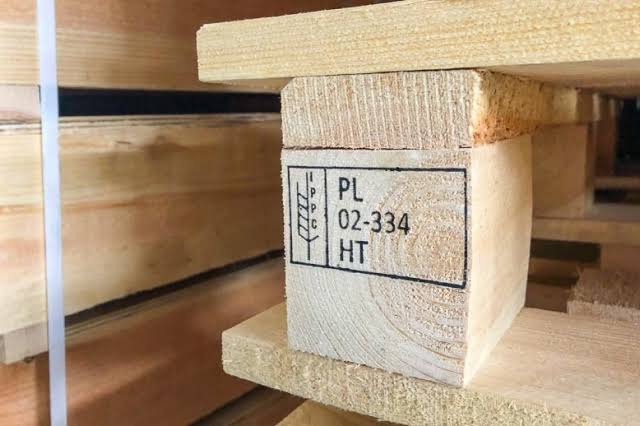
Pallets, crates and blocking made of raw wood must be ISPM-15 heat-treated or fumigated and stamped. Plywood and other processed wood are usually exempt. Unmarked wooden packing is the single most common reason furniture shipments are pulled aside for inspection, so ask the factory to photograph the ISPM-15 stamp before loading.
Importer documents checklist
- Commercial invoice with accurate values and descriptions
- Packing list matching the invoice line by line
- ISF confirmation (filed before departure)
- Bill of lading or sea waybill
- ISPM-15 stamps on wooden packing
- HTS classification notes for duty assessment
Who clears the furniture at the US port?
Clearance sits with the importer or the forwarder depending on the trade term. Under DDP the forwarder manages import clearance and pays duties; under EXW or FOB the buyer’s side arranges US clearance. The DDP vs DAP comparison for furniture explains which responsibility goes with each term before you book.
Link clearance to the rest of the freight plan
The customs step never exists in isolation. Whether you ship LCL or FCL changes the volume and value you are declaring, so settle the load type before finalizing the clearance file.
FAQ
Who files the ISF for furniture shipped from China?
The importer, or a customs broker acting for them. Confirm the filing is complete before the vessel departs to avoid penalties.
Do I pay duty on furniture from China?
Most furniture is dutiable under its HTS classification and declared value, and the rate varies by material and product type.
Are wooden pallets from China a customs problem?
Only if they are not ISPM-15 marked. Raw wood packing must be treated and stamped; plywood is typically exempt.
Need the clearance step covered end to end? Review shipping costs and customs factors, follow the shipping process, and share your cargo details for a clearance-ready quote.