Why the coast you choose changes your landed cost
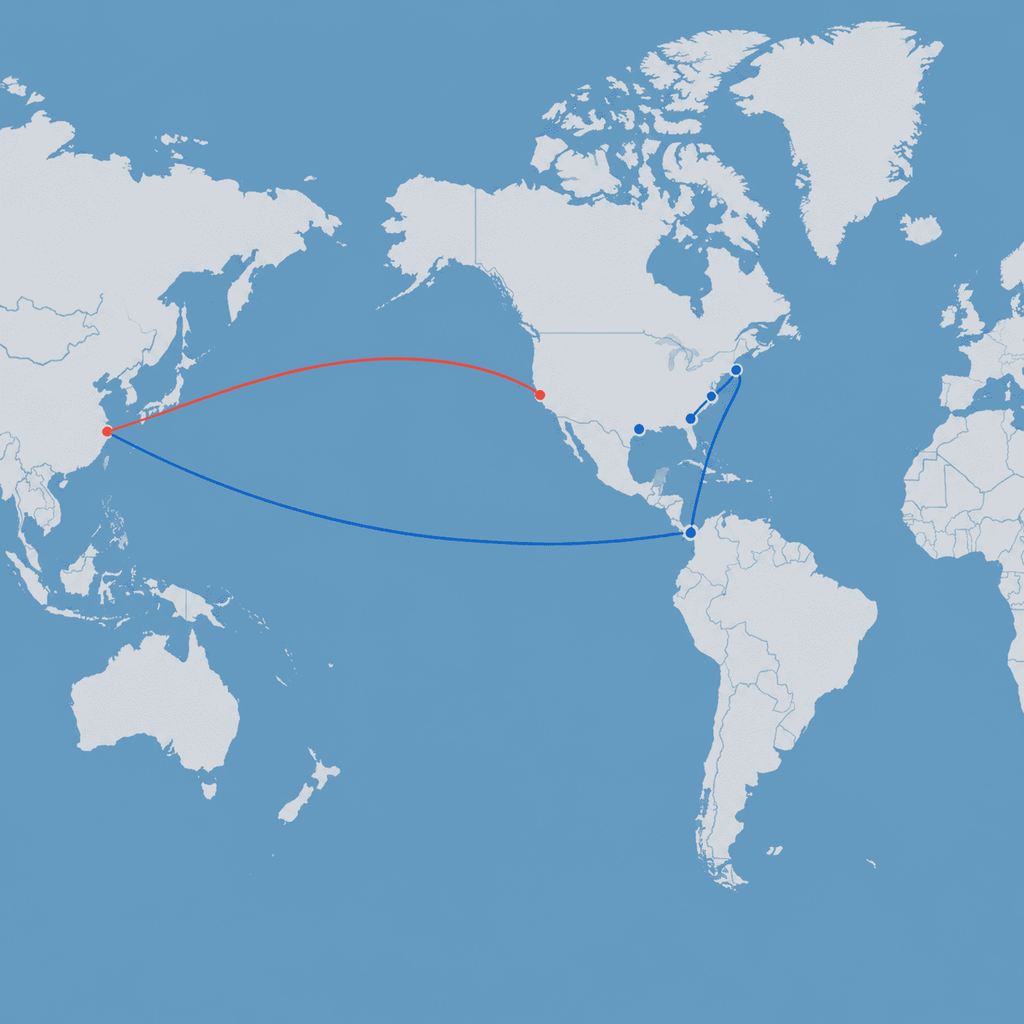
Most China to USA ocean freight lands on one of two coasts, and the choice shapes transit time, port charges, and the distance your cargo travels by truck or rail to the final door. West coast ports such as Los Angeles and Long Beach sit closest to Asian sailings. East coast ports such as New York or Savannah reach the U.S. interior through longer ocean or rail legs. Our furniture shipping pillar covers cargo-specific routing, but the coast decision applies to every commodity.
Head-to-head: west coast vs east coast
The table below compares the two coasts on the factors that change your total price. Every day count and fee level is an estimate, subject to quote, because carrier, season, and port congestion move the numbers.
| Factor | West Coast | East Coast |
|---|---|---|
| Main ports | Los Angeles, Long Beach, Oakland | New York, Savannah, Norfolk |
| Typical transit | Estimate, subject to quote, shorter ocean leg | Estimate, subject to quote, longer ocean or rail leg |
| Inland reach | Strong for U.S. West and Mountain regions | Strong for U.S. East and Midwest |
| Best for | Western delivery, faster sailings | Eastern and Midwest delivery, balanced routing |
| OOG handling | Heavy-lift capable at major terminals | Heavy-lift capable, more transload options |
Transit time and sailing options
West coast sailings are generally shorter because the vessel crosses the Pacific and stops first. East coast service runs either all-water through the Panama or Suez Canal or as a transshipment that shifts boxes to a feeder. Each option changes the clock, and any published day count is an estimate, subject to quote, because weather, congestion, and routing alter the result. For furniture buyers, our furniture west versus east coast post digs into that commodity specifically.
Port fees and inland distance
West coast often wins on ocean distance but may face higher terminal congestion charges at peak. East coast can balance the longer sail with shorter final trucking to eastern states. The total landed cost is what matters, not a single leg. Our shipping cost hub breaks the line items down so you can compare both coasts on the same basis. The Federal Maritime Commission regulates ocean carriers and reviews port tariffs, which shapes how those fees move across the year.
Which coast fits your cargo
Pick the coast closest to your customer or warehouse to cut inland miles. If you ship special boxes, confirm the terminal’s heavy-lift gear before booking. Open top and flat rack cargo moving to Los Angeles is covered in our open top flat rack Los Angeles guide, and the New York lane has its own open top flat rack New York guide. Matching the box to the port avoids costly transloads.
Frequently asked questions
Which is cheaper, west or east coast shipping?
Neither coast is always cheaper. West coast usually saves ocean distance, while east coast can save final trucking to eastern states. The total landed cost depends on your delivery address, the commodity, and the season. Compare both routes on the same quote basis, and treat any single figure as an estimate, subject to quote.
Is transit faster to the west coast?
In most cases yes, because vessels from China reach the U.S. West Coast first after crossing the Pacific. East coast deliveries add canal transit or a transshipment leg, which extends the clock. Published transit is an estimate, subject to quote, since congestion and weather shift actual sailing times.
Can I ship out-of-gauge cargo to either coast?
Yes. Major terminals on both coasts handle flat rack and open top equipment, though heavy-lift capacity and permit rules differ by port. Confirm the terminal gear and any permit needs before booking. Our flat rack versus open top versus breakbulk guide explains which box fits your dimensions.
Does the coast affect customs clearance?
Customs clearance follows the same federal process at any port, but exam and storage fees vary by location and congestion. A port with faster throughput can lower demurrage risk. Plan clearance documents early so the coast you choose does not add avoidable delay at the terminal.
Should I split shipments across both coasts?
If you serve customers on both sides of the country, splitting by destination can cut inland miles and delivery time. It adds some planning overhead but often improves service. Weigh the saved trucking against the extra coordination, and request quotes for each lane before committing.