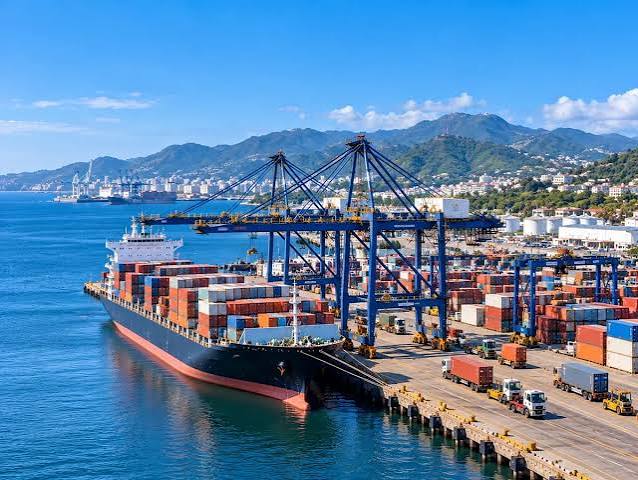
Ocean transit time is the single schedule most importers plan around, yet it is also the number most often misunderstood. This page covers typical port to port ranges, the difference between direct and transshipped sailings, and the factors that push real arrivals away from the baseline.
Typical ocean transit times by coast
Direct sailings set the baseline. West Coast ports such as Los Angeles and Long Beach usually take about 14 to 21 days from major Chinese ports. East Coast destinations via the Panama Canal commonly run 26 to 35 days, while Suez routed services can reach 30 to 40 days. These are estimates, subject to confirmation by quote.
Direct vs transshipment sailings
| Route | Direct (est.) | Transshipment (est.) |
|---|---|---|
| China to US West Coast | 14 to 21 days | 18 to 25 days |
| China to US East Coast (Panama) | 26 to 35 days | 30 to 40 days |
| China to US East Coast (Suez) | 30 to 40 days | 35 to 45 days |
Transshipment adds days because the container changes vessels at an intermediate hub, but it can offer lower rates or better sailing frequency on some lanes.
Factors that change the schedule
Port congestion, peak season, weather, and customs holds all shift arrival. Carrier schedule reliability also varies week to week. The import from China to USA trade sees the widest delays around Lunar New Year and the pre holiday peak. For mode context, the ocean freight vs air freight guide shows how much faster air is when speed is critical.
Port specific planning
Furniture importers often target Los Angeles for speed to the West, while machinery and fitness equipment may route East for inland proximity. Match the port to your final delivery address so the ocean leg and the trucking leg both stay short.
Do not forget inland transit
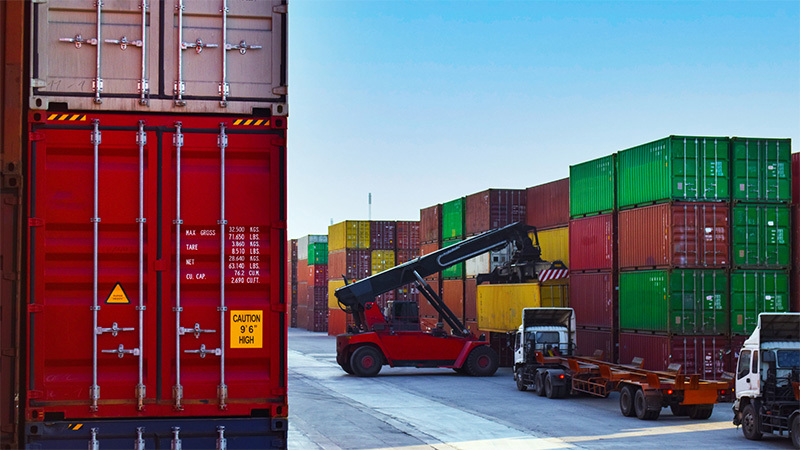
Port arrival is not delivery. Inland trucking or rail to your warehouse adds days that the ocean schedule does not show. The container options page helps you plan the equipment that affects unloading speed at the destination terminal.
Who sets the published schedules
Ocean common carriers publish sailing schedules, and the Federal Maritime Commission oversees those carriers and their practices in the US trade. Knowing this helps when a carrier changes a booking or adds a surcharge you did not expect.
Frequently asked questions
What is the average transit time from China to the USA?
Direct West Coast sailings average about 14 to 21 days, while East Coast routes run roughly 26 to 40 days depending on whether they use the Panama or Suez canal. Transshipment adds a few more days. All of these are estimates, subject to confirmation by quote, and congestion can extend them.
Why is my container arriving later than the schedule?
Delays come from port congestion at either end, peak season volume, weather, missed connections on transshipped sailings, and customs holds. A baseline schedule assumes a clean voyage. Build a buffer of several days around the estimated arrival so one delay does not break your plan.
Is a direct sailing always faster than transshipment?
Almost always, because transshipment waits for a second vessel at an intermediate hub. However, a direct service may sail less frequently, so the wait for the next direct departure can offset the faster crossing. Compare both the transit and the cut off date, not just the days at sea.
Do transit times differ by cargo type?
The ocean crossing time is the same for most cargo, but out of gauge and breakbulk shipments can take longer at terminals because they need special handling and lashing. Customs and delivery also vary by product. Use the furniture, machinery, and fitness guides for cargo specific planning.
How do I track my shipment in transit?
Your forwarder provides booking and container numbers that update at main nodes such as departure, transshipment, arrival, and customs release. OOGSHIP uses a shipment tracking system that follows the container from the factory to the final door, with exceptions flagged as they appear.