
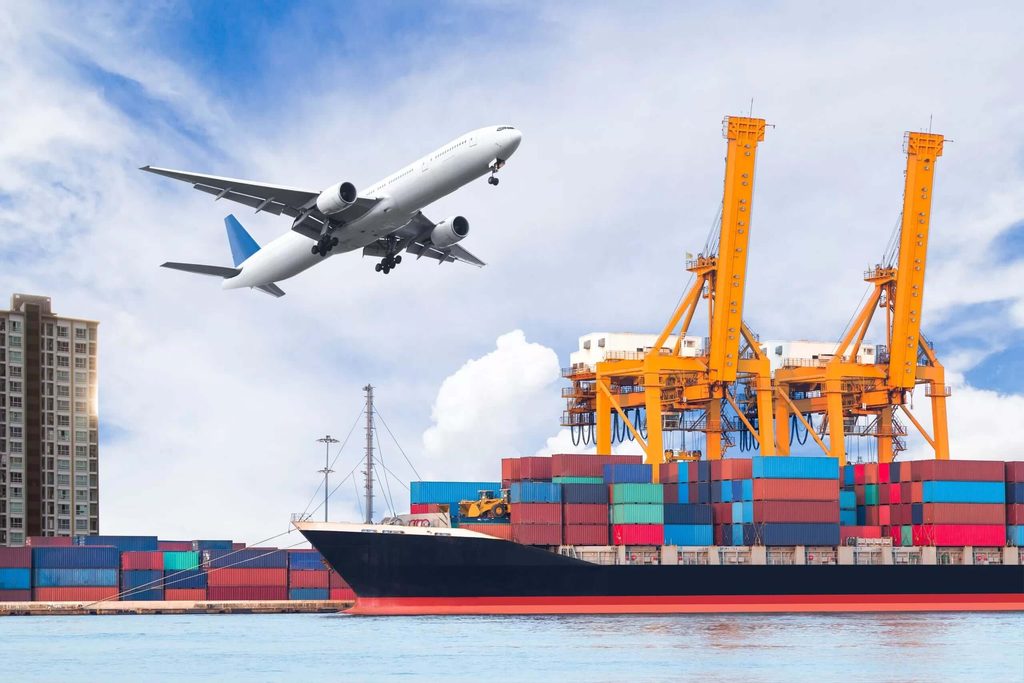
Choosing between ocean and air decides your cost, your delivery speed, and which shipments are even possible. For most China to USA freight, especially bulky or heavy goods, the choice is straightforward once you weigh four factors: time, cost, cargo size, and how the goods will be used.
Compare on four dimensions
| Dimension | Ocean freight | Air freight |
|---|---|---|
| Transit time | About 14 to 40 days (estimate) | About 3 to 7 days |
| Cost | Low per kg, best for volume | Several times higher |
| Cargo size and weight | Handles OOG, heavy, pallets | Limited, costly when heavy |
| Best use case | Regular, bulky, low urgency | Urgent, high value, light |
Cost and transit in practice
Ocean remains the default for the import from China to USA trade lane because it carries full containers and oversized pieces at a sustainable rate. Air is the exception for stockouts and prototypes. Review the China to USA transit time guide for ocean schedules and the shipping costs hub for budgeting.
When air freight is the right call
Air suits emergency restocks, trade show samples, and high value electronics where the cost of waiting exceeds the freight bill. It rarely suits furniture shipments, machinery, or fitness equipment because size and weight push the rate up fast. For consolidated furniture, ocean LCL is almost always cheaper.
When ocean freight wins
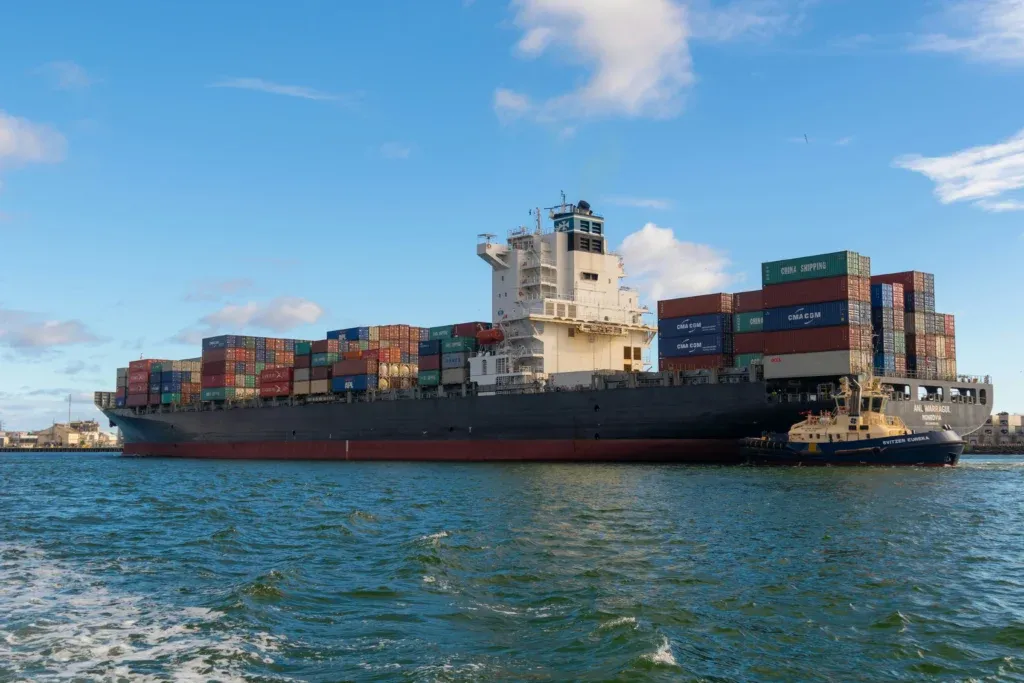
Ocean carries the volume that keeps US shelves stocked. With container options ranging from standard boxes to open top and flat rack, most cargo fits a sea solution. First time importers often start with a forwarder quote rather than guessing the mode.
A simple decision table
| If your shipment is… | Choose |
|---|---|
| Urgent, under 200 kg, high value | Air |
| Bulky, heavy, or oversized | Ocean |
| Low cost priority, flexible timing | Ocean |
| A small urgent sample | Air |
Common mistakes to avoid
Shipping heavy goods by air because of a deadline you could have planned around, or booking ocean too late for peak season. Both cost more than a calm decision made early. Note that both modes still clear US Customs, so review the basic import rules from U.S. Customs and Border Protection regardless of how your goods travel.
Frequently asked questions
Is ocean freight cheaper than air freight from China to the USA?
Yes, in almost every case for normal cargo. Ocean moves at a low rate per kilogram and rewards volume, while air pricing climbs steeply with weight. Air only becomes worth the premium when speed prevents a larger loss, such as a stockout or a missed launch. Compare both on a real quote before deciding.
How much faster is air freight than ocean?
Air typically delivers in about 3 to 7 days, while ocean runs about 14 to 40 days depending on coast and route. That is roughly a five to ten times difference in transit. Treat these as estimates, subject to confirmation by quote, since customs and hub handling add time to both modes.
Can oversized cargo go by air?
Some oversized pieces move by air on freighter aircraft, but size and weight limits make it expensive and impractical for most out of gauge cargo. Large furniture, machinery, and fitness equipment usually travel by ocean on open top, flat rack, or breakbulk equipment instead. Ask your forwarder before assuming air is possible.
Which is better for small parcels from China?
Small parcels under a few kilograms are often better served by express courier than by ocean or airport freight forwarding. Once a shipment grows past a carton or two, LCL ocean or air freight becomes more structured. Match the channel to weight, value, and how fast you need the goods.
Should first time importers use air or ocean?
Most first time importers should default to ocean unless the goods are genuinely urgent or very light. Ocean is cheaper, simpler to plan in full containers, and handles the bulky products China commonly exports. Use air only for a specific deadline. A forwarder quote shows the real gap for your shipment.