

Used vs new machinery import rules
Importing used machinery into the United States is not the same as buying new equipment. US agencies treat second hand machines with extra scrutiny on safety, emissions, and value, so the paperwork is heavier and the timing is less predictable. Importers usually begin at the machinery shipping pillar to see the service scope, then focus on the used specific steps.
EPA and equipment restrictions
Used equipment with engines or emissions producing components can fall under Environmental Protection Agency requirements for imported used engines and vehicles. Confirm whether the machine needs an EPA compliant engine certificate or exemption before you buy, because a non compliant unit can be refused entry. Textile, food, and certain industrial machines may carry their own agency rules as well.
Valuation and documentation
Used machinery is declared at its current fair market value, supported by the original invoice, recent appraisal, or comparable sales. Customs may question a low declared value, so keep evidence ready. A clear packing list, photos of the actual unit, and a statement of condition help the entry match the physical cargo on arrival. General import basics are covered by US Customs and Border Protection.
Proving age and condition
Age affects duty treatment and any restrictive rules, so record the machine’s serial number, build year, and hours of use. A written condition report with dated photos protects both importer and insurer. The CNC machine shipping guide shows how precision equipment is documented and crated for the same ocean leg across the Pacific.
Customs clearance differences
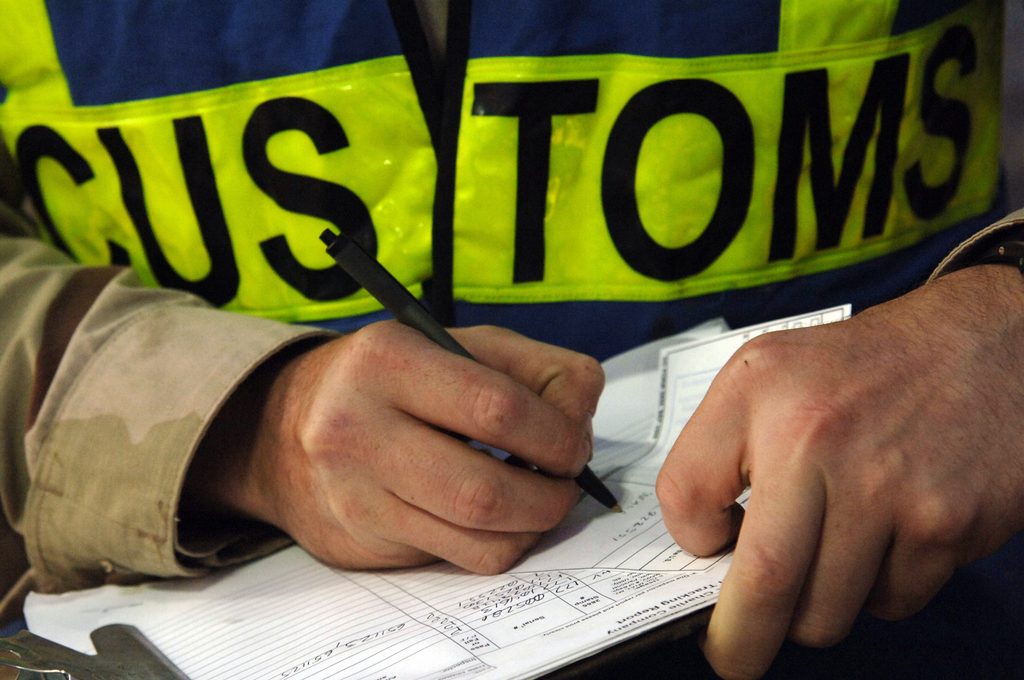
A used machine may face a higher chance of exam because value and compliance are easier to dispute. The machinery clearance checklist lists every document to prepare, from invoice to HTS code and ISF filing. Build the file before the vessel sails so a hold at the US port does not stall your production line for weeks.
Packing and ISPM-15 wood packing
Used machines often ship on wooden skids or in crates that must meet ISPM-15 heat treatment and marking rules, which USDA APHIS administers. Solid wood needs the IPPC mark, while processed wood may be exempt. Inspect the packing in China, because a missing mark can force fumigation or rejection at arrival in the United States.
Container and lashing for heavy used units
Heavy used machines move on a custom skid in a standard box, or on a flat rack or open top when dimensions demand it, as shown in the open top vs flat rack guide. Lashing must hold the center of gravity through ocean motion, especially for a unit with an off balance base or loose attachments that could shift.
Planning the import and the quote
Ask for a quote early and state clearly that the machine is used, with its age, weight, and any engine details. The quote process guide explains how insurance, survey, and compliance items are priced. Early planning reduces the risk of a refused entry or a costly re export if a requirement is missed before sailing.
Frequently asked questions
What extra rules apply to used machinery import USA?
Used machines face extra scrutiny on value, safety, and emissions. Equipment with engines may need EPA compliance for imported used engines, and some machine types carry their own agency rules. Confirm requirements before purchase, because a non compliant unit can be refused entry at the US port.
How do I value a used machine for customs?
Declare the current fair market value, supported by the original invoice, a recent appraisal, or comparable sales. Customs may question a low value, so keep evidence ready. A packing list, photos of the actual unit, and a condition statement help the entry match the physical cargo on arrival.
Does used machinery need ISPM-15 wood packing marks?
Yes, solid wood skids and crates must carry the IPPC mark showing heat treatment, per USDA APHIS rules, while processed wood is often exempt. Inspect the packing in China before departure, because a missing mark can trigger fumigation or rejection at the US destination port.
Will a used machine get examined more at customs?
Used machinery can face a higher chance of exam because value and compliance are easier to dispute than for new goods. Prepare a complete file using the machinery clearance checklist, including invoice, HTS code, and ISF filing, so a hold does not stall your delivery timeline.
What documents prove the age of used equipment?
Record the serial number, build year, and operating hours, and keep a written condition report with dated photos. This supports the declared value and any age based duty treatment. The CNC machine shipping guide shows how precision equipment is documented and crated for the same ocean leg.
How should I request a quote for used machinery?
State clearly that the unit is used and share its age, weight, dimensions, and any engine or emissions details. The quote process guide explains how insurance, survey, and compliance items are priced into the shipment. Early, accurate information reduces the risk of refused entry or re export.