
Key takeaways
- Ocean freight is one line, not the landed cost. Budget for origin, destination, customs and delivery.
- China-US benchmark, 13 Nov 2026: about $7,111 per 40ft to the West Coast and $9,387 to the East Coast (SCFI base; South China rates track closely).
- A 20ft box runs 65–80% of a 40ft, never half. Dense cargo can cost more per tonne in a 20ft.
- Flat rack and open top bills use lost slots, lashing and lifting, not LCL-style volume pricing.
- Under DAP you clear import and pay duty. Under DDP the seller handles both, subject to importer rules.
- Every figure here is an estimate. Confirm the number in a written quote with a validity date.
The headline ocean rate rarely equals your invoice. Carriers, terminals, CBP and truckers each add lines.
This guide breaks the cost into five buckets. It shows current November 2026 benchmarks. You get a line-by-line check before you book.
The five cost buckets
Every China–USA quote falls into five buckets. Map each line to one bucket and the math turns simple.
| Stage | Typical lines | When it hits |
|---|---|---|
| Origin, China | Pickup, warehouse, export docs, THC, AMS | Before sailing |
| Ocean | Base freight, BAF, PSS / GRI / PCS | At booking |
| US customs | MPF, HMF, bond, brokerage, duty | Before release |
| Destination port | DDC / CFS, drayage, demurrage, detention | On arrival |
| Final mile | Liftgate, residential, appointments, permits | At delivery |
Use the same dimensions, weight, origin, ZIP and service date when you compare quotes. A number without those inputs means little. The shipping cost hub groups these lines by stage, and the hidden fees guide explains each one in detail.
Current rate snapshot, November 2026
Rates swung hard in 2026. The figures below use published indices as a base. South China quotes from Guangzhou or Shenzhen sit close to these levels. Treat them as direction, not a price list.
40ft spot rate by lane, USD per FEU
Sources: SCFI Shanghai benchmark, 13 Nov 2026. South China rates track within a few hundred dollars. Drewry WCI, 29 Oct 2026. Freight Right TFX, 26 Oct 2026.
| Metric | US West Coast | US East Coast | Source and date |
|---|---|---|---|
| 40ft spot | $7,111 | $9,387 | SCFI, 13 Nov 2026 |
| 40ft spot, second index | $7,514 | $9,631 | Drewry WCI, 29 Oct 2026 |
| 20ft all-in, estimate | $4,800–5,800 | $6,100–7,500 | Forwarder indication, Nov 2026 |
| LCL port to port | $80–160 / cbm | $95–180 / cbm | Forwarder indication, Nov 2026 |
| Ocean transit | 14–18 days | about 32–38 days | Carrier schedules, Nov 2026 |
| Door to door | 24–31 days | 42–50 days | Forwarder planning figures |
While a 20ft costs 65–80% of a 40ft, it carries a tighter US road weight limit. Expect roughly 17.2–19.9 metric tons, depending on the chassis and state. Many shippers overestimate that limit.
Book three to four weeks before the cargo is ready. Lock the rate in writing with a validity date. Compare air and ocean on urgent loads with the ocean vs air comparison.
How LCL and FCL pricing differ
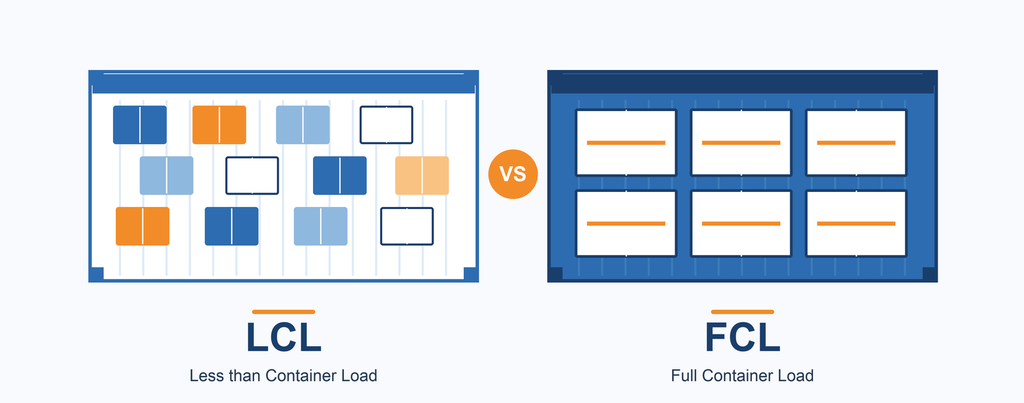
LCL bills on chargeable volume. The forwarder compares cubic metres against weight and uses the greater figure. Minimum charges and CFS handling sit on top.
FCL bills per container. You pay for the box, not the space you fill. A 22 cbm load in a 20GP still pays for the whole container.
LCL adds two to five days at origin and destination warehouses. FCL usually moves faster once the box is packed. The LCL pricing guide walks through the chargeable weight rule.
Worked example, furniture to the West Coast
Example: a household furniture load of 22 cbm from Guangzhou or Shenzhen to Los Angeles.
Book a 20GP. The ocean leg runs about 14–18 days port to port. Door delivery adds six to nine days in a normal week.
East Coast ports like Savannah run 32–38 days and price higher. Do not use a West Coast rate to budget an East Coast delivery.
Add origin handling, US customs and delivery before you compare. The furniture shipping guide covers cargo-specific packing rules, and the container options page shows where each box type fits.
Who pays what, by trade term
The Incoterm splits cost and risk. Your contract overrides the table below.
Buyer means you, the US importer. We handle means the seller or Haishun acting as freight forwarder.
| Cost item | EXW | FOB | DAP | DDP |
|---|---|---|---|---|
| China pickup and warehouse | Buyer | Supplier | We handle | We handle |
| Export docs and customs, CN | Buyer | Supplier | We handle | We handle |
| Ocean freight | Buyer | Buyer | We handle | We handle |
| US customs entry and bond | Buyer | Buyer | Buyer | We handle |
| Import duty and fees | Buyer | Buyer | Buyer | We handle |
| US delivery to ZIP | Buyer | Buyer | We handle | We handle |
Under DAP, the seller or forwarder delivers to your US address. You handle US customs clearance and import duties. Under DDP, the seller handles clearance and duties on your behalf, subject to cargo eligibility and importer registration rules.
DDP needs a valid importer arrangement in the United States. Confirm who acts as importer of record before you sign. The DDP guide for heavy cargo and the customs clearance guide cover both paths.
Oversized cargo and special-container costs
Flat rack and open top prices start with the base container rate. Carriers then add charges for lost slots, port lashing and special lifting gear.
A 4.2 t machine that overhangs 20 cm on each side may consume two extra side slots. That adds far more than the extra weight alone would suggest.
Dimensions drive the quote more than weight. Send packed length, width, height and centre of gravity before you ask for a rate.
Breakbulk works differently. Crates and loose pieces bill on weight or measurement, not on slots. Compare the three modes in the flat rack, open top and breakbulk guide. The OOG quote method explains measurement rules.
China origin charges
Origin services in Guangzhou and Shenzhen include supplier pickup, warehouse receiving, consolidation, repacking, crating, loading and export documents.
Ask which of these the supplier already covers. Paying twice is common on FOB shipments.
Export documents and AMS filing usually bill per bill of lading. Confirm the count before dispatch.
US customs and delivery charges
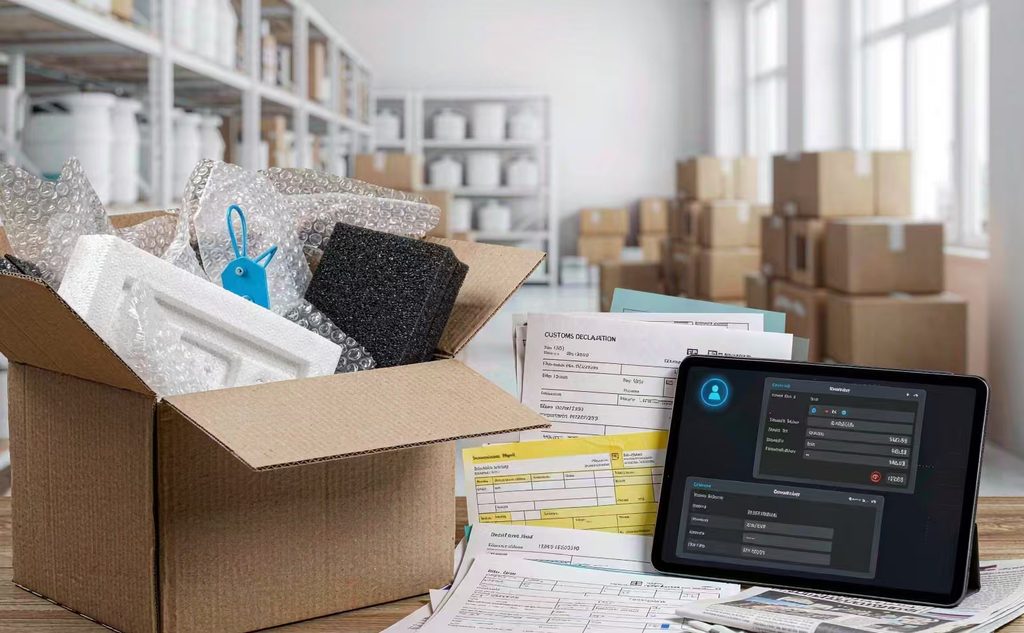
Destination costs include port handling, customs clearance, duties, container drayage and final delivery.
For furniture, residential delivery, liftgate service and delivery appointments drive the last-mile quote.
For heavy machinery, specialized flatbed trailers and overweight or oversize permits drive the quote. Crane or forklift unloading at your facility adds cost too.
Mixing the two creates bad budgets. Tell your forwarder the cargo type and the exact ZIP code up front. The delivery page lists the service options.
Peak season and rate volatility
Peak surcharges stack. PSS, GRI and PCS sit on the base rate when capacity tightens.
When carriers blank sailings to manage capacity, equipment shortages hit special containers first. That makes any quote older than a week unreliable.
Read the peak season guide for surcharge timing, and track your box with the shipment tracking guide once booked.
How to compare quotes line by line
- Same dimensions, gross weight, cargo value, origin city and US ZIP on every quote.
- A written validity date, not a verbal rate.
- Origin THC and destination DDC shown as separate lines.
- MPF, HMF, bond and brokerage listed, or clearly marked as excluded.
- Duty shown as an estimate with an HTS reference.
- Free time stated for both demurrage and detention.
- OOG surcharges explained as slots, lashing and lifting.
- Insurance and inspection costs shown, not assumed.
Send the same brief to each forwarder. The quote page lists the details to prepare.
Frequently asked questions
Why do two flat rack quotes for the same machine differ so much?
OOG quotes split on lost-slot calculations, port lashing and stevedoring, and tarping for open tops. US delivery may add oversize permits, escort vehicles or specialized flatbed and lowboy trucking. Compare itemized lines, not the headline rate.
Is air freight ever cheaper for heavy cargo?
Air can win for dense, high-value machines in a small weight band. China to North America air sat near $7.13/kg in late October 2026. Beyond that, ocean and special containers cost far less. Run both quotes for urgent loads.
Do peak-season surcharges apply to oversized cargo?
Yes. Special-container space tightens first. Peak bookings add surcharges and roughly five to seven days of planning buffer.
How much free time do I get at US ports for oversized cargo?
Standard container free time at US ports is typically 4–5 working days for demurrage. Flat racks and open tops often get shorter free time, sometimes 2–3 days, and higher daily storage rates. Clear customs before the vessel arrives. Pre-book your flatbed trucker to avoid heavy port storage bills.
Can you ship DDP if I don’t have a US company or customs bond?
Yes, under certain conditions. If you lack a US entity or continuous customs bond, we can use an authorized Importer of Record (IOR) structure. Your cargo must avoid special anti-dumping duties and strict FDA or EPA partner agency holds. Confirm your product’s HTS code before booking DDP.
Ready to ship or already have a quote?
Pick the path that fits your shipment. Both start with the same cargo details.
- Compare and Book, Door to Door: Send your packed dimensions, gross weight, cargo value, origin city and US delivery ZIP code for an itemized, all-in quote.
- Free FOB Charge Audit: Already working with a supplier’s nominated forwarder? Share their itemized China local charge sheet with Haishun before dispatch. We will flag inflated origin fees and hidden surcharges for free.
Published by OOGSHIP (a specialized project & oversized cargo service by Haishun). All figures are estimates to confirm by written quote. Rates, surcharges and tariffs change by lane and date.